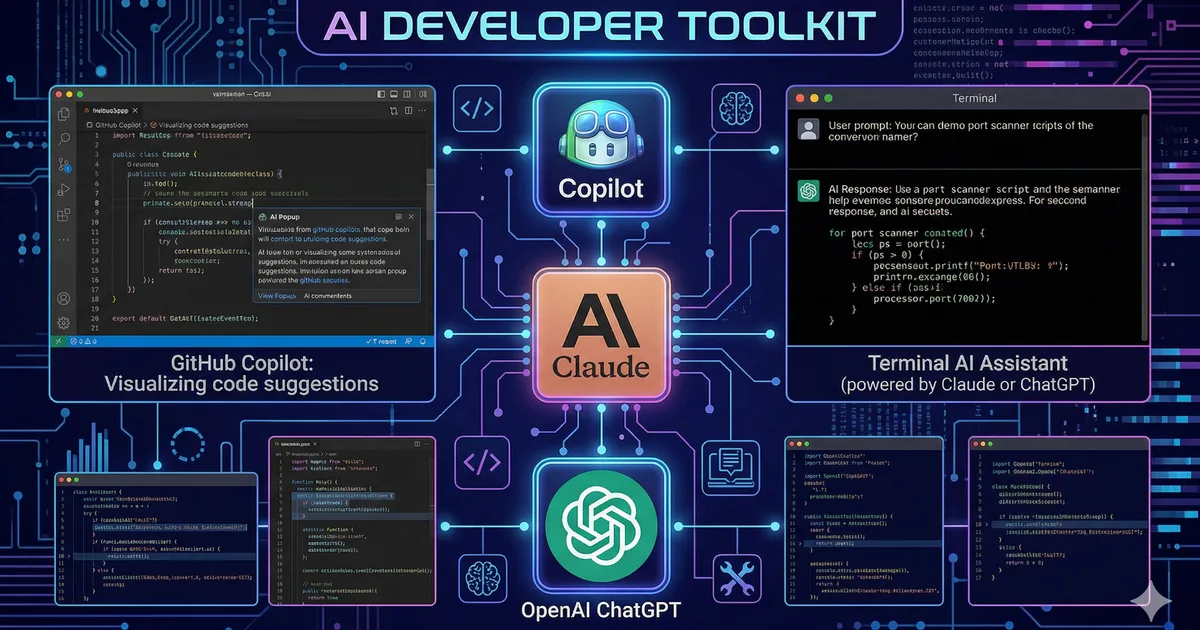

The AI landscape for developers in 2026
The ecosystem of artificial intelligence tools for software development has matured enormously. These are no longer experimental toys: they are production tools that thousands of teams use daily.
In this article we will go through the most important categories and the tools that stand out in each one.
1. Code assistants in the editor
Code assistants integrated into the editor have become the industry standard. These tools do not just autocomplete code; they understand the full context of your project.
Claude Code
Claude Code from Anthropic is a programming agent that operates directly in your terminal. Unlike other assistants, it works with your entire codebase and can execute commands, edit files, and handle complex workflows.
Key strengths:
- Deep understanding of project context
- Ability to edit multiple files in a single operation
- Integrated terminal command execution
- Persistent memory between sessions
GitHub Copilot
Copilot remains relevant with its native integration in VS Code and JetBrains. Its inline suggestion model is fast and useful for completing repetitive patterns.
Cursor and Windsurf
Editors built from the ground up around AI. They offer an experience where AI is not a plugin but an integral part of the workflow.
2. Language model APIs
To integrate AI into your applications, you need to know the main available APIs.
Anthropic API (Claude)
The Claude API offers models with different capabilities. The Claude family includes models optimized for quick tasks and more powerful models for complex reasoning.
Key criteria when choosing an API
| Criterion | What to evaluate |
|---|---|
| Latency | Time to first token |
| Context | Maximum context window size |
| Cost | Price per million tokens |
| Capabilities | Vision, tool use, output format |
| Limits | Rate limits and quotas |
3. AI code review tools
Automated code review has evolved beyond simple linters. Current tools understand code semantics and can detect logical bugs, security issues, and anti-patterns.
Smart Git hooks
You can integrate AI reviews directly into your Git workflow through pre-commit hooks.
4. Test generation and maintenance
Automatic test generation is one of the most practical applications of AI. Modern tools can analyze your code and generate unit, integration, and end-to-end tests.
Recommended strategy
- Generate base tests with AI to cover the main paths
- Review and adjust the generated tests manually
- Add edge cases that AI might not consider
- Use AI for maintenance when you change the implementation
5. Automated documentation
Documentation is one of the tasks that benefits most from AI. You can generate:
- JSDoc/TSDoc from source code
- README files for projects and modules
- API documentation from endpoints
- Contribution guides based on project history
6. Semantic search in the codebase
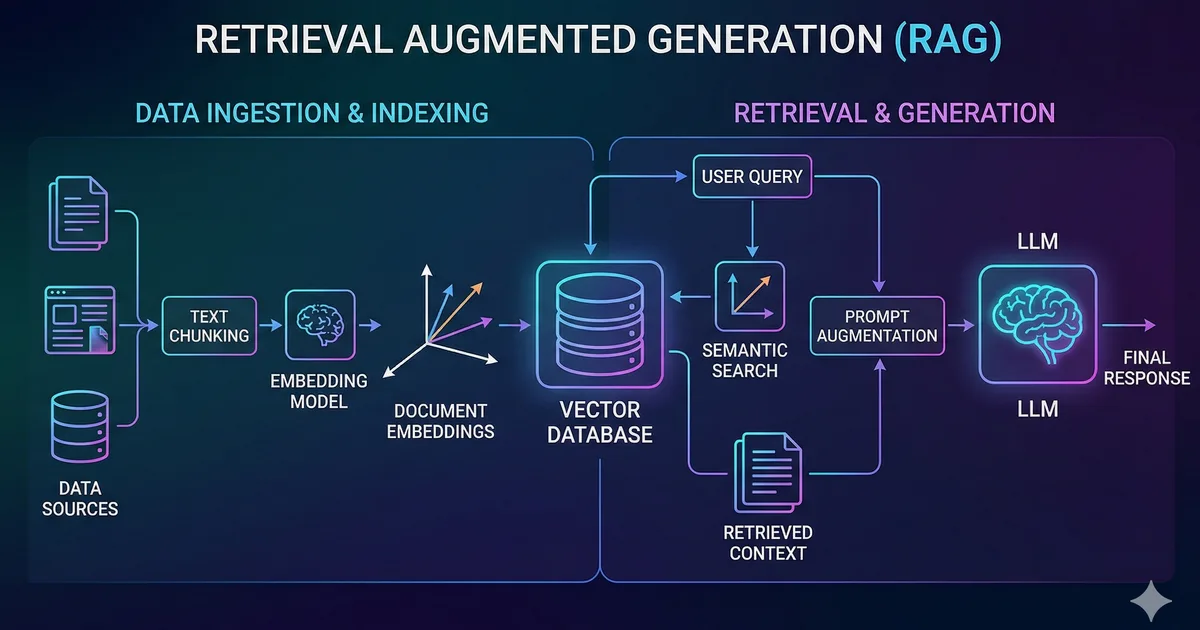
Unlike grep or text-based searches, semantic search understands the intent of your query. You can ask "where is authentication handled" and get relevant results even if they do not contain the exact word.
Basic implementation
To implement semantic search in your codebase you need:
- Embeddings: Vectorize the code and comments
- Vector database: Store the embeddings (Pinecone, pgvector, ChromaDB)
- Query: Vectorize the question and search for nearest neighbors
7. DevOps automation with AI
CI/CD pipelines benefit from AI for:
- Analyzing error logs and suggesting fixes
- Optimizing build times
- Detecting vulnerable dependencies and suggesting updates
- Generating automatic changelogs
8. What is coming: autonomous agents
The next frontier is agents that can execute complex tasks autonomously. Instead of asking for suggestions, you define a goal and the agent plans and executes the necessary steps.
When to use agents vs assistants
- Assistant: Specific tasks where you need granular control
- Agent: Complex tasks with multiple steps where the result matters more than the process
Conclusion
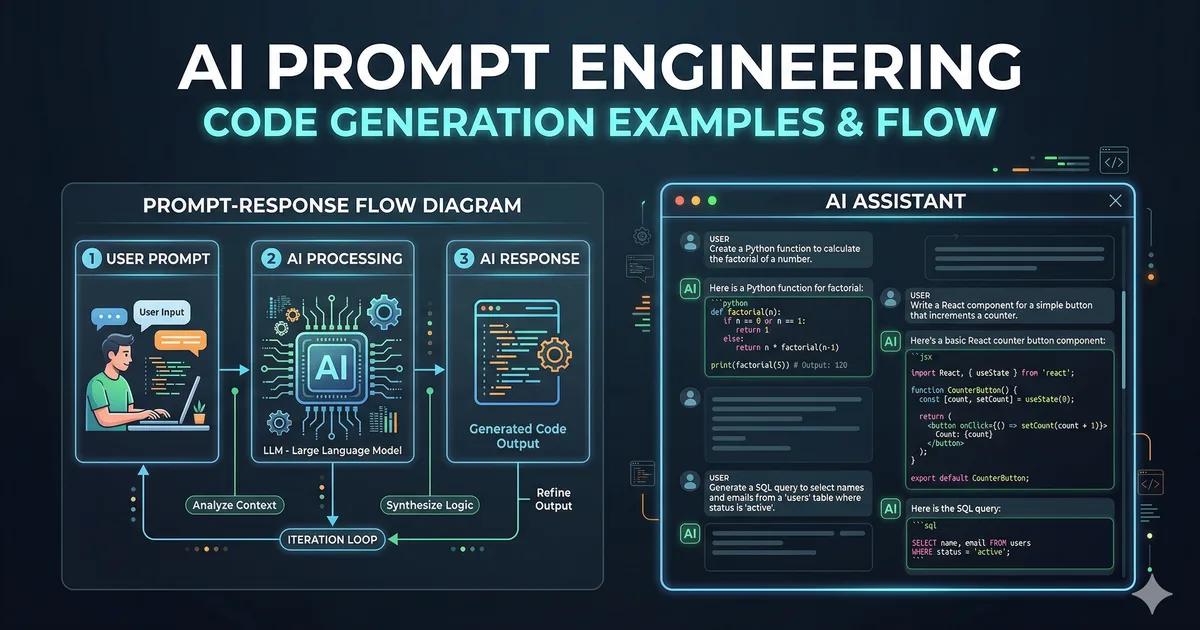
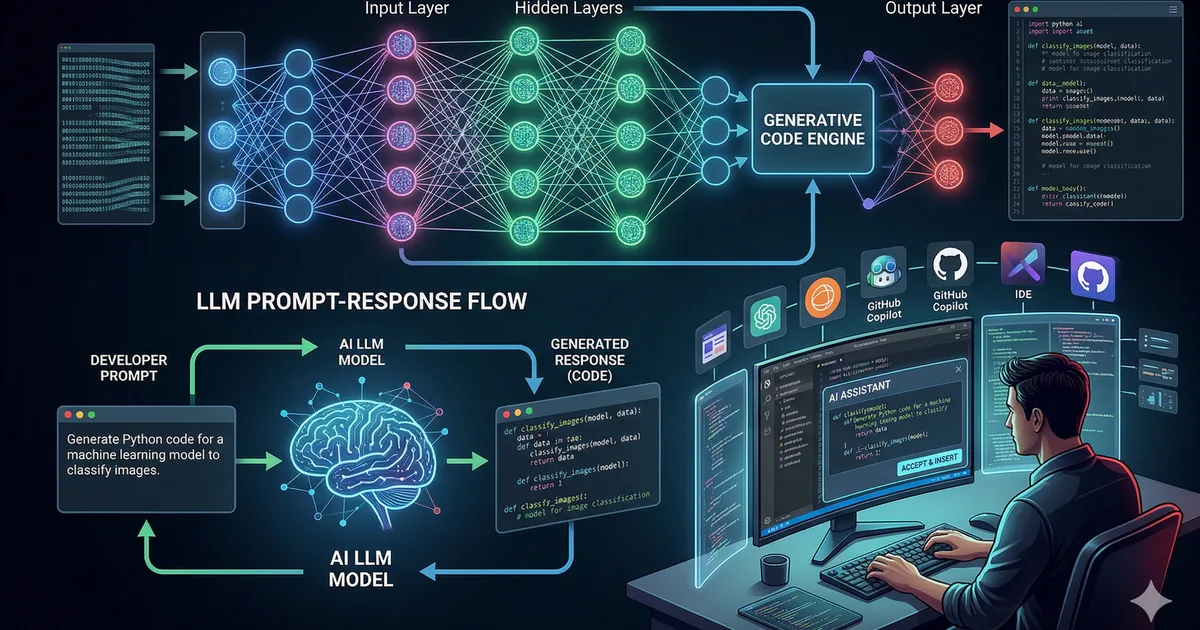
AI for developers in 2026 does not replace the programmer but amplifies their capabilities. The key is choosing the right tools for each task and learning to communicate effectively with models.
The developer who masters these tools will not only be more productive but will be able to tackle problems that previously required entire teams.
Recommended resources
- Official Anthropic API documentation
- Prompting for developers course on Bemore Learn
- AI development communities on Discord and GitHub
Comments (0)
Sign in to comment